

 Browse Store
 How to Source Replacement Molded Case Circuit Breakers (MCCBs)
Need a replacement molded case circuit breaker (MCCB) for an older system? The fastest way to source the right breaker is to capture the correct nameplate details, confirm true compatibility (not just amps), and work with a supplier that has tested inventory on the shelf.
Specs to capture | How to match compatibility | Why tested/refurbished often wins | Lead times & availability | Quality, standards & warranty | FAQ
* * *
1) Capture the MCCB nameplate details (this prevents wrong orders)
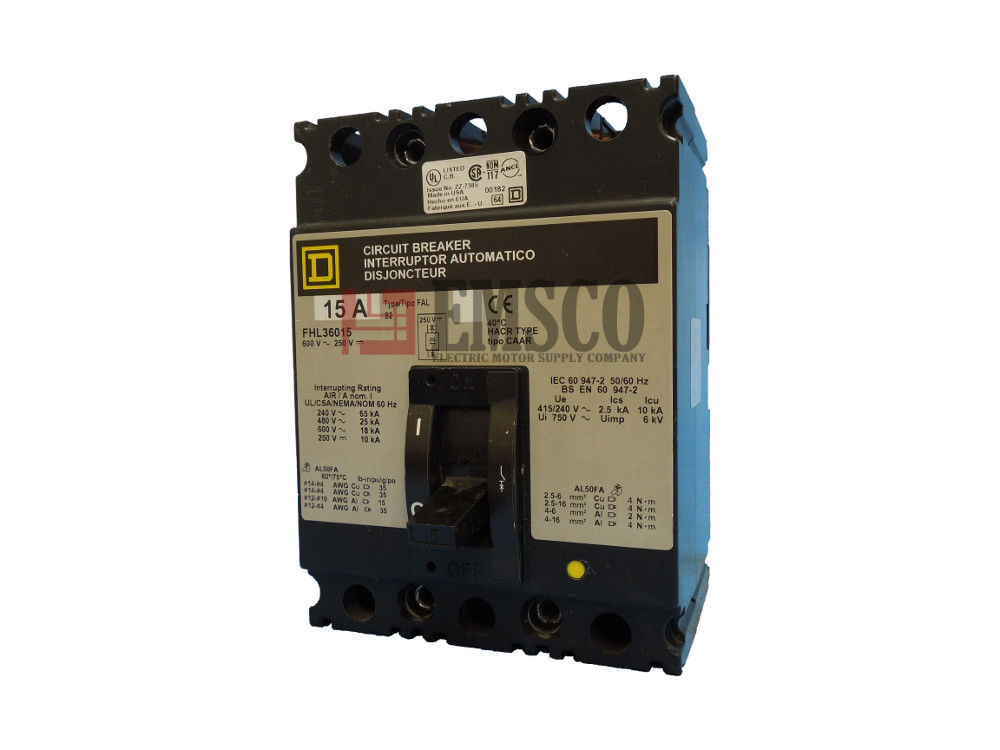
Before you call, quote, or search online, document what’s on the breaker label. These details are what your supplier needs to match a correct replacement quickly.
- Manufacturer + model/catalog number
- Voltage rating (system voltage must match)
- Amp rating (and frame/series if shown)
- Trip type / characteristics (thermal-magnetic, electronic trip unit, etc.)
- Poles (1 [single] / 2 / 3)
- Interrupt rating (AIC / kAIC) (critical for safety & compliance)
- Mounting + terminals (bolt-on vs. plug-in, lugs, load-side accessories)
- Physical dimensions (space/enclosure fit)
Fast-track tip: If anything is unclear, take a clear photo of the label (and the breaker installed in the panel) and send it to your supplier. That’s often the fastest path to the right match.
2) Match true compatibility (not just amps)
Two breakers can share the same amp rating and still be wrong for the application. For a safe, fit-for-purpose replacement, confirm these high-impact items:
- Voltage class and interrupt rating (AIC/kAIC)
- Frame/series (especially on legacy gear)
- Trip unit type and settings compatibility
- Mounting style and terminal/lug configuration
- Accessories (shunt trip, aux contacts, alarm switch, etc.) if your system requires them
Best practice: When in doubt, have a qualified electrician/engineer verify compatibility with your panelboard/switchboard and application requirements.
3) Consider tested/refurbished MCCBs when new is expensive or unavailable
For discontinued or hard-to-find MCCBs, used and tested inventory can be a practical solution—often faster and more cost-effective than chasing new old stock.
Why many facilities choose tested/refurbished
- Lower total cost versus new replacements
- Shorter lead times when the exact model is obsolete
- Confidence when parts are inspected/tested and backed by a warranty
If you’re sourcing for critical uptime, ask your supplier what testing/inspection is performed and what documentation is available.
4) Lead time matters: prioritize “in-stock and ready” inventory
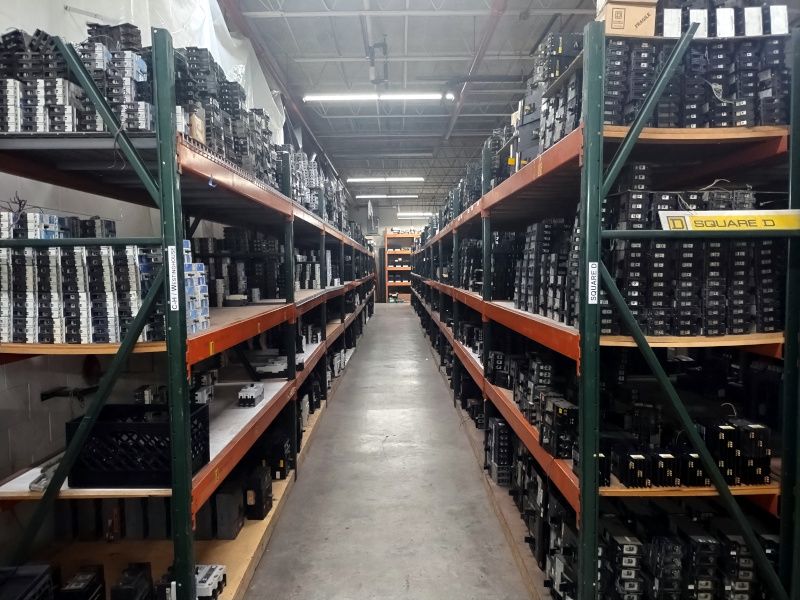
Downtime is expensive. Partnering with a supplier that maintains a large, organized breaker inventory can dramatically reduce delays.
EMSCO’s Minneapolis facility includes a 250,000-square-foot warehouse with a large selection of tested MCCBs ready to ship, helping contractors and facilities teams get replacements faster.
5) Verify quality controls, standards, and warranty
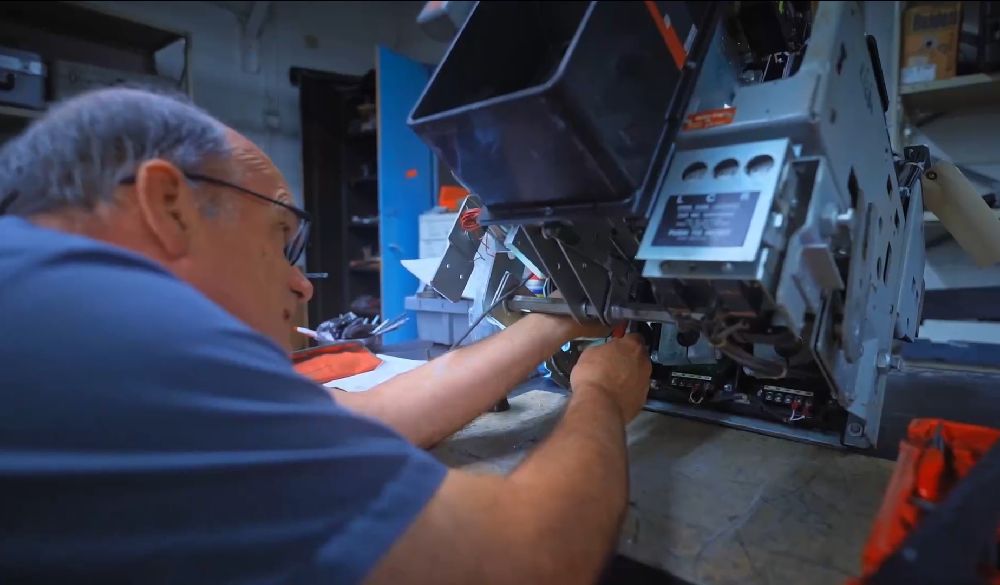
Replacement MCCBs must fit correctly and perform safely. Ask about inspection/testing practices and warranty coverage. Suppliers referencing recognized standards (such as PEARL) are signaling an emphasis on process and quality.
Quick buyer checklist:
- What testing is performed (electrical + mechanical)?
- Is the unit cleaned/refurbished or simply “pulled and shipped”?
- Is a warranty included?
- Can you provide photos and/or test documentation?
Common mistakes to avoid
- Ordering by amp rating only (ignoring frame/series, terminals, or mounting)
- Skipping interrupt rating (AIC/kAIC) verification
- Not confirming required accessories (shunt trip, aux contacts, etc.)
- Assuming “close enough” is acceptable on legacy gear
FAQ
What info do I need to match an MCCB replacement?
At minimum: manufacturer, model/catalog number, voltage, amps, poles, trip type, interrupt rating (AIC/kAIC), and mounting/terminal configuration.
Can I replace an MCCB with a different brand or model?
Sometimes—but it must be a verified equivalent that matches the electrical ratings, mounting, and the equipment’s requirements. When in doubt, have a qualified professional confirm compatibility.
Are refurbished/used MCCBs safe?
They can be, when sourced from a reputable supplier that inspects/tests units and backs them with a warranty. Always ask what testing is performed and what documentation is available.
What if I can’t find the model number?
Send clear photos of the breaker label and how it mounts/installs. That often provides enough information for a knowledgeable supplier to identify the correct replacement or equivalent.
Next step
Browse EMSCO’s inventory of molded & insulated case circuit breakers, or contact our team with your breaker photos/specs to get a fast match.