Maximize Efficiency and Savings with Bulldog Busway and Bus Plugs: New, Reconditioned, and Safety-Tested Solutions

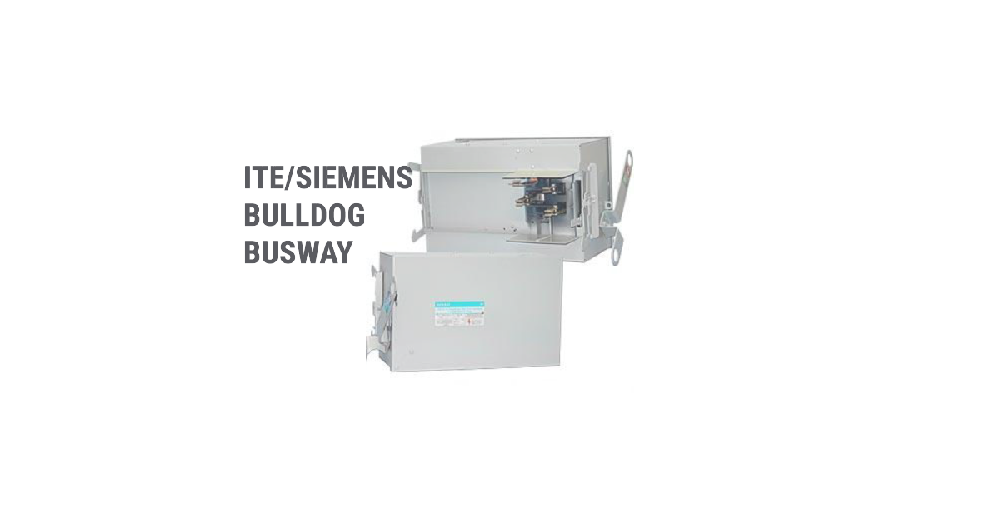
Upgrading or replacing your existing busway and bus plugs with Bulldog Busway and Bus Plugs—whether new, reconditioned, or used — brings benefits to your facility.

Reconditioned used or inspected and safety-tested Bulldog bus plugs can significantly lower your investment compared to purchasing new ones. These options provide the reliability and efficiency of new equipment at a fraction of the cost, allowing you to allocate budget to other critical areas of your operations.

Bus Plug Testing and Quality Assurance:

EMSCO Reconditioned used and inspected, safety-tested bus plugs undergo testing processes to meet industry standards and your specific operational requirements. This means you can trust that these components will perform reliably, maintaining the safety and integrity of your electrical system.

Bulldog Bus Plugs In Stock for Reduced Lead Times:

Used and reconditioned Bulldog Busway and Bus Plugs are often more readily available than new ones, which can have long lead times due to manufacturing processes and supply chain delays. This means you can upgrade your busway system faster, minimizing disruptions and keep your business moving.

Buyers Checklist Questions for ITE/Siemens Bulldog Bus Plugs

☑️ Amperage

Knowing the available amperage for bus plug options ensures you choose a bus plug that can handle your specific electrical load, preventing overloading and ensuring efficient operation. Selecting the correct amperage rating matching the bus plug's capacity to your system's leads to safety and optimal performance.

☑️ Ground

Review the grounding options provided by ITE Bulldog Bus Plugs. Proper grounding options are essential for electrical safety and system stability, preventing potential hazards and ensuring compliance with safety standards.

☑️ Fusible or Breaker Style Bus Plugs

Choose between fusible and breaker style: Fusible Bus Plugs are ideal for applications where cost is a primary concern, and where high fault current handling capability is needed. Breaker Style Bus Plugs are better suited for applications where minimizing downtime is critical, and where power options are important.

☑️ Voltage

Correct voltage ratings to ensure that the bus plug can handle the electrical potential of your system, preventing mismatches that could lead to equipment failure or safety issues.

☑️ Bus Plug Wiring

Wire compatibility ensures that the bus plug can be securely and effectively connected to your existing wiring, which is critical for maintaining system integrity and performance. This also reduces the risk of faults and improves overall system performance.

ITE/SIEMENS Bulldog Series Busway Voltage and Amperage
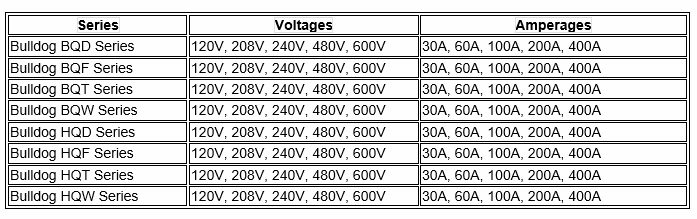
5 Questions to Ask When Choosing Bus Plug Replacements

1. What factors should I consider when selecting the amperage rating for my bus plugs?

Answer:

When deciding on an amperage rating for your bus plugs, keep in mind your system's electrical load requirements, the maximum current the bus plug can carry, and the possibility of future extension. Using the proper amperage rating reduces overloading, improves safety, and extends the life of your electrical components.

2. Should I choose fusible or breaker style bus plugs for my system?

Answer:

Your special needs will determine whether you use fusible or breaker style bus plugs. Fusible bus plugs are inexpensive and can take greater fault currents, but they require fuse replacement after usage. Breaker style bus plugs are resettable and have customizable trip settings, which reduces downtime and increases operating flexibility; still, they are often more expensive upfront.

3. How important is proper grounding for bus plugs, and what options are available?

Answer:

Correct grounding is necessary for electrical safety and system performance. It protects against electrical faults and surges, lowering the risk of equipment damage and providing compliance to safety regulations. To maintain a safe and stable electrical environment, be sure that the bus plugs you purchase have sufficient grounding options that meet the requirements of your system.

4. What voltage ratings should I consider when selecting bus plugs for my electrical system?

Answer:

Check your electrical system's voltage needs for safe compatibility with bus plugs. To guarantee safe and efficient operation, the bus plug's voltage rating must be equal to or greater than the system operating voltage. Common voltage ratings include 120V, 208V, 240V, 480V, and 600V. To avoid malfunctions or safety issues, check whether the bus plugs you choose are capable of handling the voltage in your system.

5. Are there benefits to using reconditioned or inspected and safety-tested bus plugs compared to new ones?

Answer:

These options can provide significant cost savings while still offering reliability and performance equivalent to new components. Reconditioned bus plugs undergo thorough testing to make certain they meet industry standards, making them a practical and economical choice for maintaining and upgrading your electrical system.

Request help online or call a product specialist at 800-328-1842.

Reconditioned, used busway and bus plugs that are inspected and safety tested offer a viable option for your electrical needs. These products go through our evaluation and testing processes to certify they meet safety standards for safety and performance.
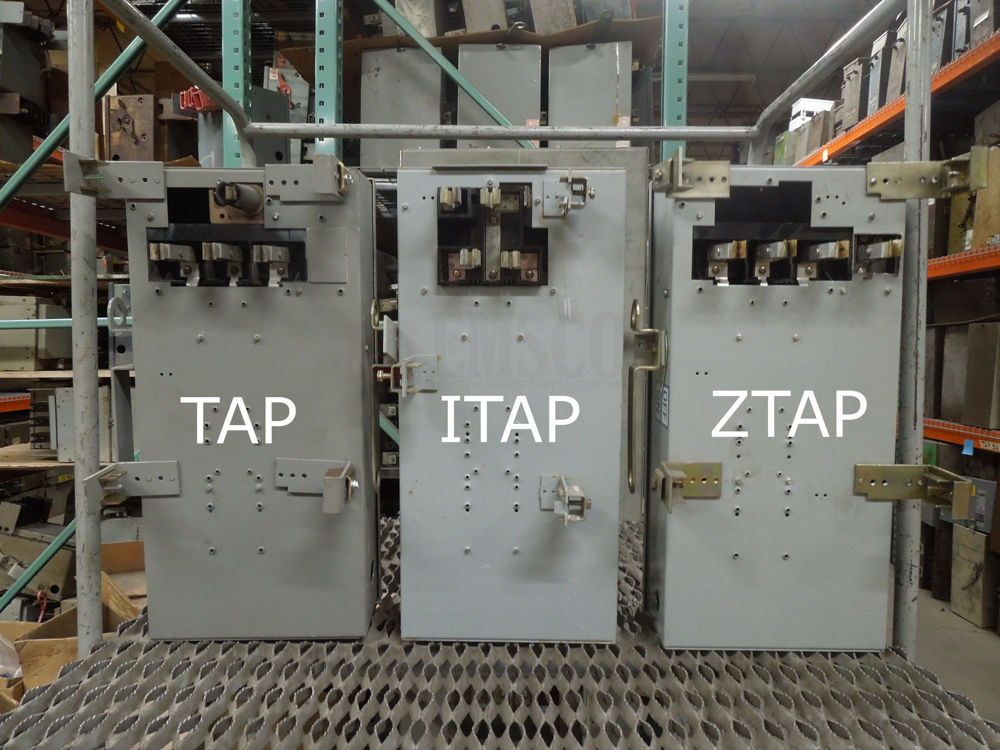
Identifying Westinghouse TAP-ITAP-ZTAP Bus Plugs


westinghouse TAP, ITAP, and ZTAP bus plugs

One of the most common challenges in our industry is accurately distinguishing between the different series of vintage Westinghouse/Cutler-Hammer busway systems. Despite their nearly identical appearances, the TAP, ITAP, and ZTAP series are entirely distinct and cannot be interchanged.

Fortunately, there are quick and straightforward methods for correctly identifying the specific vintage series you require. In the following discussion, we will explore these differences, highlighting easy-to-spot clues on the plugs to help you correctly identify the type you need.

 
Identifying the types:

TAP

3 wire / 4 wire
For use with Westinghouse Standard-Design Busway 225A thru 1000A


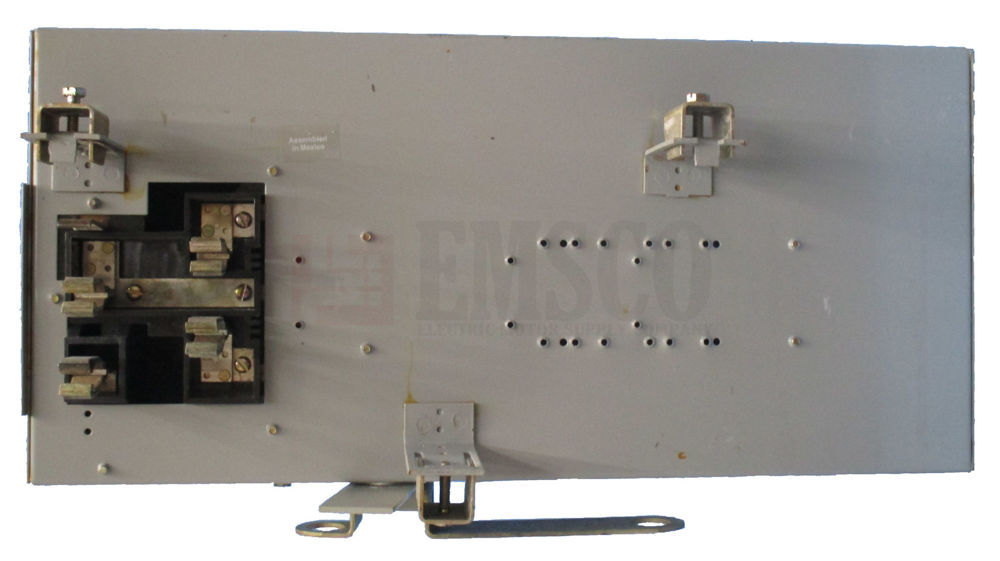
Stab configuration: Aligned in a row; neutral offset from stabs.

TAP bus plugs feature stabs that align with each other. In the example above, this three-wire version features 3 stabs vertically aligned with one another. Note that the neutral stab will be offset from the stabs. The part number prefix on the front label will begin with TAP. Any deviations from that prefix designate that it is NOT a TAP series bus plug. It should also be mentioned that the prefix TAP is also used on ZTAP plugs, so another giveaway to differentiate a TAP series bus plug is by hanger width. The hanger width on the TAP series measures 9 ⅝ inches. If the hangers measure 11 ⅝ inches, it is a ZTAP bus plug. More on that below.


ITAP

3 wire / 4 wire

For use in Westinghouse Pow-R-Way I & II Busway 225A thru 4000A


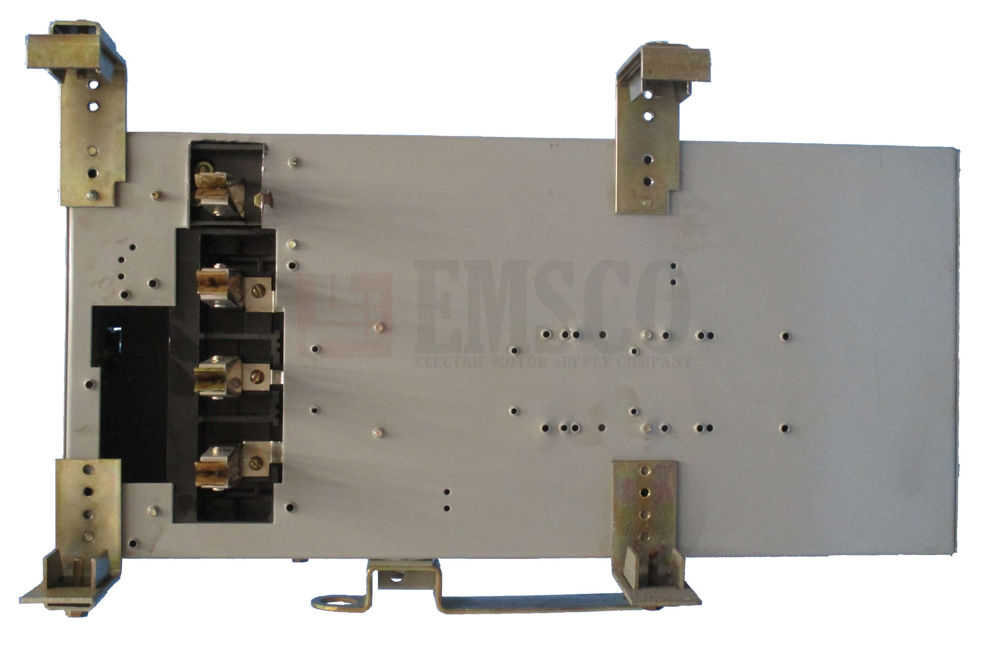
Stab configuration: Staggered/Offset

The quickest and easiest way to identify an ITAP bus plug is by noting the stab configuration. In ITAP plugs, the stabs are offset from one another. In the 4-wire example above, you can see staggered stabs. The product label on the front will feature a part number that begins with the prefix ITAP. Any deviation from this designates that the plug is NOT part of the ITAP series.


ZTAP

3 wire / 4 wire
For use with Westinghouse Low-Impedance Busway 1000A thru 4000A

Stab configuration: Aligned in a row; neutral stab aligned with stabs.

Extremely similar in appearance to TAP plugs, there are fortunately two tell-tale signs to identify a ZTAP bus plug: the neutral stab position (fourth wire) and hanger bracket width. With ZTAP plugs, the stabs are again aligned with one another, however, it’s critical to note that the neutral stab will also be aligned with the stabs. The example above shows that this is a three-wire plug with a neutral stab at the top.

The other big giveaway that this is a ZTAP plug is the hanger width. As you can see in the example, the hangers extend beyond the width of the plug on both the top and bottom. In the ZTAP series, the hanger dimensions measure 11 ⅝ inches wide versus the TAP series hanger width of 9 ⅝ inches.

It is also critical to note that you cannot go by the product label to identify a ZTAP bus plug. The prefix on the label, confusingly, will also begin with TAP. It is only by the neutral stab position and hanger width that you can correctly identify a ZTAP bus plug from a TAP bus plug.


We're here to help

We hope that this quick guide helps provide a quick overview of the various Westinghouse bus plug types. If you still have any questions regarding the type that you need, please email us or give us a call and our sales team will be happy to assist you.


Shop Westinghouse Bus Plugs

An Introduction to Bus Plugs

What Is a Bus Plug? A Practical Guide to Busway Tap-Off Power

Breaker-style bus plug (tap-off unit) used with busway/bus duct
Example of a breaker-style bus plug (tap-off unit).

In large industrial facilities, running new conduit and hardwiring every time equipment moves can be slow, costly, and disruptive. That’s why many plants use bus duct (busway) with bus plugs—a faster, more flexible way to distribute power across open floor plans.

A bus plug (also called a tap-off unit or plug-in unit) locks into a busway run to safely “tap” power and feed equipment below. Because bus plugs are designed for quick installation and removal, they’re a smart solution for equipment moves, line changes, and facility expansions.


Quick definition: A bus plug (often called a tap-off unit or plug-in unit) is a device that locks into a busway run and safely “taps” power to feed equipment below. Bus plugs are commonly available in breaker or fusible styles and must match the manufacturer + series of the busway they connect to.

Table of Contents


Busway (Bus Duct) Basics

In most homes and many commercial buildings, power is distributed by wiring inside walls and ceilings. Industrial facilities are different: wide-open spaces, changing production lines, and ongoing expansions make traditional hardwiring less practical.

Busway (also called bus duct) is a metal enclosure that contains conductors for distributing electricity. It’s installed overhead or underfloor in connected sections to create a run that fits your layout. The run includes plug-in points where bus plugs can connect to deliver power where it’s needed.

What a Bus Plug Does

A bus plug attaches to a busway run and provides a protected point to feed a machine, process, or downstream panel. Inside the unit, contacts engage the busway conductors, and the bus plug routes that power out through lugs/cable connections—typically with built-in protection.

Most bus plugs are designed for fast installation and removal, making them ideal when equipment moves, lines change, or new loads are added.

Common Bus Plug Types

1) Breaker bus plugs

Breaker-style bus plugs include a circuit breaker inside the enclosure. This makes resets and servicing straightforward, and they’re common in many industrial layouts.

2) Fusible bus plugs

Fusible bus plugs use fuses for overcurrent protection. Facilities often choose fuses for specific protection strategies, coordination needs, or legacy systems.

Other fitment details that matter

  • Voltage (example ranges you’ll commonly see include 120/240V, 240V, 480V, and 600V)
  • Amperage (low-amp through high-amp options, depending on busway series and application)
  • Wire configuration (3-wire vs. 4-wire) and whether a ground is included
  • Enclosure/orientation (how the unit mounts and where the cable exits)
  • Manufacturer + series compatibility (bus plugs are not universal)

Why Facilities Use Bus Plugs

  • Faster changes: Add or move drops without reworking large conduit runs.
  • Scalable expansions: Ideal for plant additions, new lines, equipment overhauls, or reconfigurations.
  • Cleaner installs: Power distribution can look more organized in open areas.
  • Serviceability: Well-matched plug-in units make it easier to isolate and maintain loads.

How to Select the Right Bus Plug (Fitment Checklist)

If you want a quote or need help identifying a replacement, here’s what we recommend gathering first:

  1. Busway manufacturer + series (example series can include I-Line, Sentron, Spectra, Pow-R-Way, Armor-Clad, XL-U, and more)
  2. Busway rating details: voltage class, amperage, and wire configuration (3-wire/4-wire, neutral, ground)
  3. Bus plug style: breaker vs. fusible
  4. Amp rating needed for the load (and any coordination requirements)
  5. Physical details: mounting position, cable exit direction, and enclosure requirements
  6. Photos of the nameplates (busway label + bus plug label) and the plug-in opening if possible

Tip: The fastest way to get the right match is to send us clear photos of the busway and any existing plug/unit labels. If you’re unsure, our team can help identify what you have and what will fit.

When to Service or Replace a Bus Plug

Bus plugs operate in demanding environments. Consider inspection or replacement if you notice:

  • Signs of overheating (discoloration, odor, brittle insulation)
  • Loose hardware or damaged stab contacts
  • Cracked housings, broken handles, or missing interlock components
  • Corrosion or contamination that could affect connections
  • Nuisance trips or inconsistent performance

Always follow facility safety procedures and use qualified electrical professionals for installation and service.


Bus Plugs & Busway at EMSCO

If you’re sourcing a replacement bus plug—or trying to match a legacy/obsolete system—EMSCO stocks a large selection of new, used, and reconditioned bus plugs across major manufacturers and many vintages.

Need help fast? Call our team at 1-800-328-1842 (24-hour emergency line).

FAQ

Are bus plugs universal?

No. Bus plugs must match the manufacturer and series of the busway they’re designed for, along with the correct electrical ratings.

What’s the difference between a bus plug and a tap box?

A bus plug is typically a plug-in tap-off unit used along a busway run to feed equipment. A tap box is commonly used as an end/center feed or connection point in a busway system. Both must match the busway series and application.

Breaker vs. fusible bus plug: which is better?

It depends on your system design, coordination strategy, and what the busway supports. Breaker units are convenient to reset and service; fusible units are often chosen for specific protection requirements or legacy setups.

What does 3-wire vs. 4-wire mean?

In many systems, 3-wire refers to three-phase conductors (no neutral), while 4-wire includes a neutral. Always verify your busway labeling and facility requirements.

What information should I send for a quick match?

Photos of the busway nameplate, the plug/unit label (if available), and the plug-in opening—plus your voltage, amp, and wire/ground requirements—usually gets you to the right match fastest.

Browse our selection of bus plugs

Updated 2026